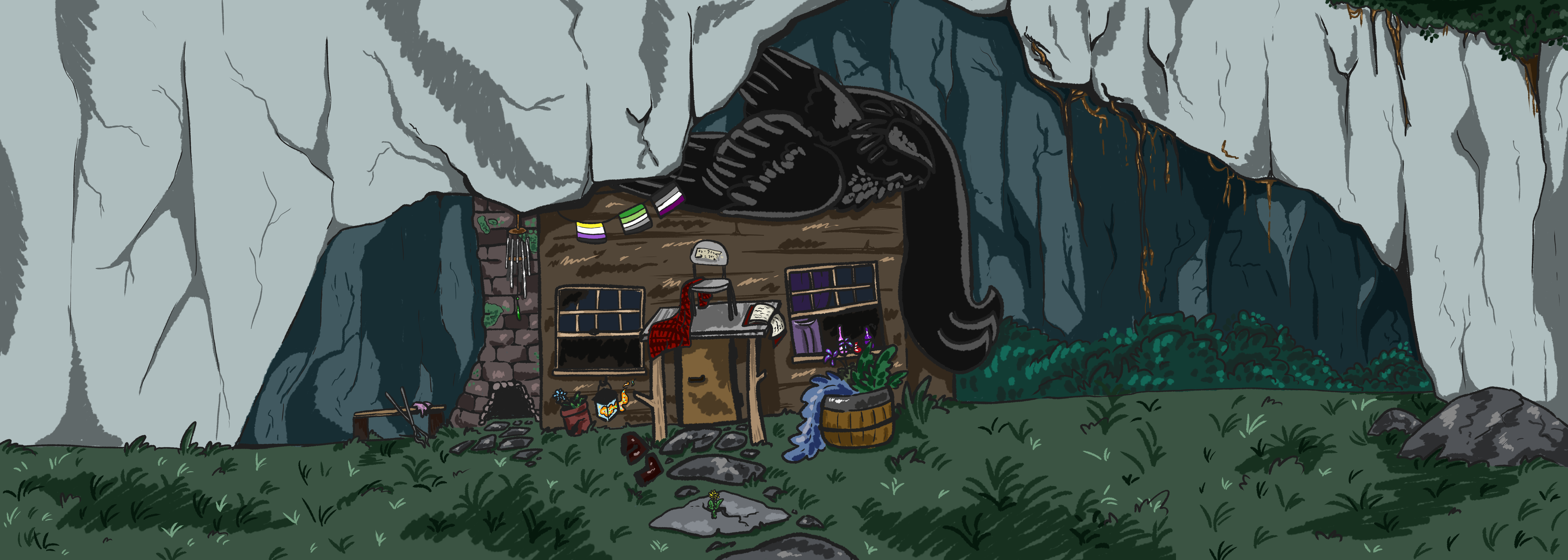
I didn't play many games as a kid, but when I started to get interested in video games in High School, I pretty quickly became interested in their functionality as a storytelling medium. I am interested in what unique ways games can tell stories and what kinds of stories are best told as games.
The projects selected for this portfolio are ones that both address basic functional game design and ones that investigate the unique storytelling methods that video games introduce to the creative world.
Projects were made using Python and LOVE2D/Lua. I also have some experience with the basic functionality of Unity.

For the final project of CS111, I was tasked with creating a game using Python. I chose to implement a version of the Chrome no-internet dinosaur game, where the player must jump over as many randomly sized boxes as they can without hitting one and dying.
The problem solving involved in this project and the fun my friends had helping me test it is part of what drew me to CS as a major. It also showed me that I do have what it takes to develop small-scale games on my own, which I was able to apply to later projects.
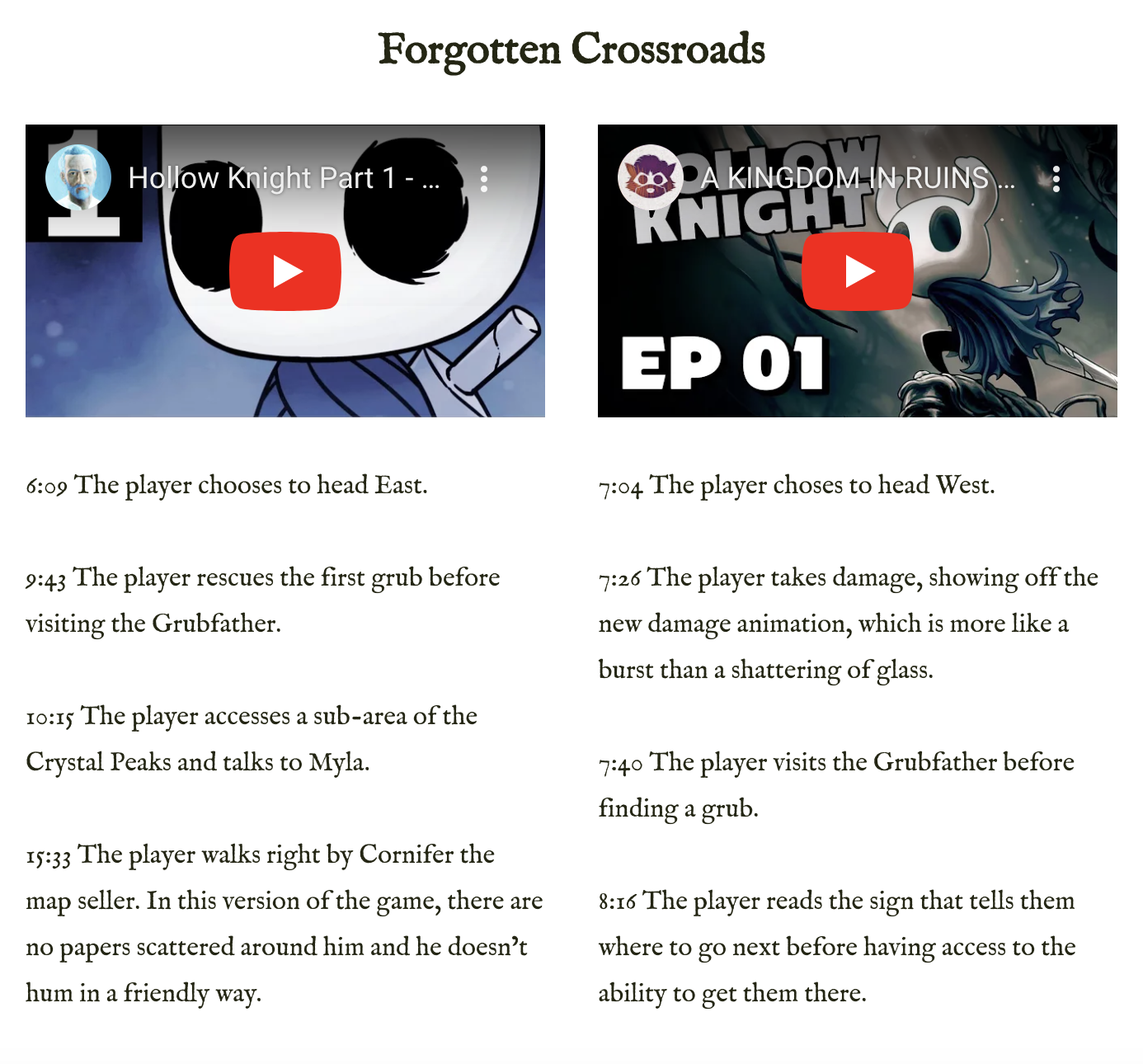
During the entirely-online spring term of 2020, I took Textual Technologies: From Parchment to Pixel, and decided to do my final project on how the game Hollow Knight had changed since release.
I was curious to explore how the relatively fast-paced iterations of games compared to the much slower-paced editions of printed texts.
This project was a good introduction to thinking critically about games as a storytelling medium, and also figuring out how to best show off games to an audience.
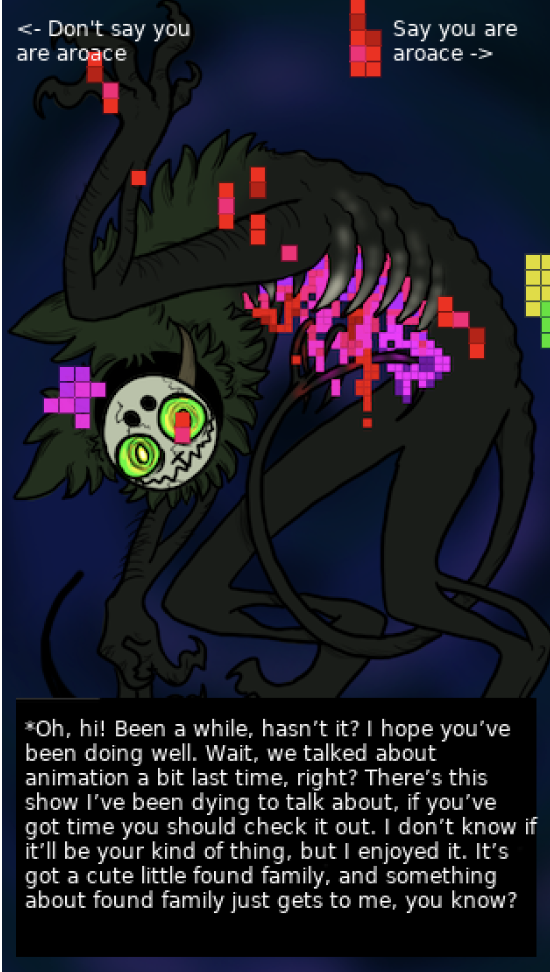
The culmination of my interest in game design as storytelling (thus far, at least) came when I took Video Games and Identity in Winter of 2022. This class discussed how the unique methodologies of video games allow (and sometimes don't allow) for stories to be told.
For the final project, we were tasked with creating a game that explores some topic of identity. I chose to make a a game about being aromantic and asexual, which is how I identify.
The game's mechanics mimic those of a dating app, in order to further emphasize through opposites that this is a game about people who don't experience romantic or sexual attraction, and therefore (mostly) do not date.
Click here for a more detailed description of how the game uses its mechanics, aesthetics and stories to make its point, and here to download the game (be sure to read the README file).
While my original interests in storytelling primarily came from my love of fiction, while taking classes related to the Digital Humanities at Carleton, I quickly realized that many of the same principles can apply to exploring how we convey historical information.
These projects involve using digital tools and thinking critically about how to use those digital tools in order to best convey a piece of history.
These projects use a variety of software, including ArcGIS Storymaps, WordPress blogging, Twine, and Scalar.
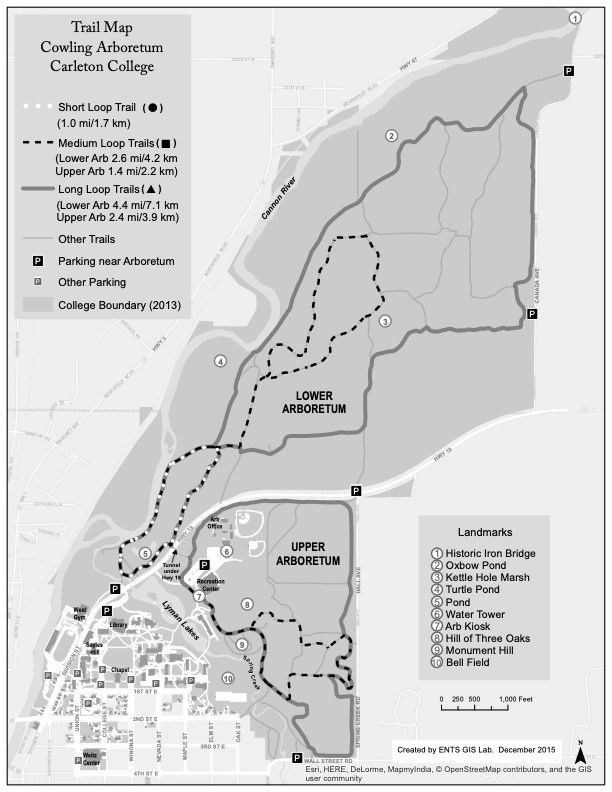
For my final project in Hacking the Humanities, my group decided that we were all interested in the Arb and how it and its major features have changed over time.
This project was helped greatly by the many detailed maps of the Arboretum over time, which show both land holdings and some significant landmarks. This project was interesting as well since Shannon Cashin and I did most of the research while Kevin Bui worked with the storymap, so it was a learning experience in regards to collaborating between a more humanities-focused knowledge and a more digitally focused one.
This was an especially fun project to undertake freshman year, since it taught me a lot about the Arb and through that many interesting facts about Carleton, particularly in regards to its Druidic history.

The Spring 2021 iteration of Archaeological Methods explored the Millpond Dike, an earthwork located in Carleton's Arboretum and a nearby formation that was once a quarry of some kind. For my final project for this class, I worked with Sam Zimmerman to investigate this particular area of the Arb's history through old maps.
I was able to build off some of the previous knowledge of maps of the Arb I gained from my Hacking the Humanities final project, though this time I was much more hands on with ArcGIS.
Visit the project here.
This project came from a class on Indigenous Histories where many of our discussions on historiography discussed how traditional Western historical structures favor linearity and one-sidedness in a way that erases and homogenizes Indigenous histories.
For this project, in order to combat that, I decided to use Twine to tell a non-linear story of a single event, allowing for the reader to navigate around all the many past and present perspectives surrounding a single event.
View the project here.

This artifact biography is part of a larger project being worked on by Austin Mason to create a 3D Augmented Reality reconstruction of the Hedeby Boat Chamber Grave.
For this project, I did research into one specific object at the grave site, a Spindle Whorl, and constructed a biography based on the information provided by the original excavation report and what I could learn about spindles of the time.
This website is not public as of March 2023, but when it is it will be available here.
Visual art has never been my focus while at Carleton, but the hobby is very important to me and I usually have a few ongoing projects. In some ways, my interest in digital art and visual storytelling can be considered my introduction to DGAH, as the "digital arts" part of the name is what first drew me to take Hacking the Humanities freshman year.
The projects selected for this portfolio are somewhat larger scale and complete artistic creations.
My art prior to 2023 was made using Adobe Photoshop CS6. I switched to Clip Studio Paint in late 2022. I use a Wacom Cintiq.
For film editing, I used Adobe Premiere.

This project was a self-imposed challenge that took place over the course of October 2019 with the goal of drawing the major arcana of a tarot deck with original characters.
The challenges of this project were completing it entirely within the month of October, and finding characters within my stories that fit the themes and visuals of the major arcana.
I have been known to do tarot readings with a printed copy of this deck in the past, and I have considered revisit the project with revamped character designs.

For the second year in a row I attempted another October-long art challenge, this time with the goal of animating something for each day in the month.
This was by far one of the most challenging art projects I have undertaken, but it was fun to play around with different types of movement.
View a drive with most of the animations here.
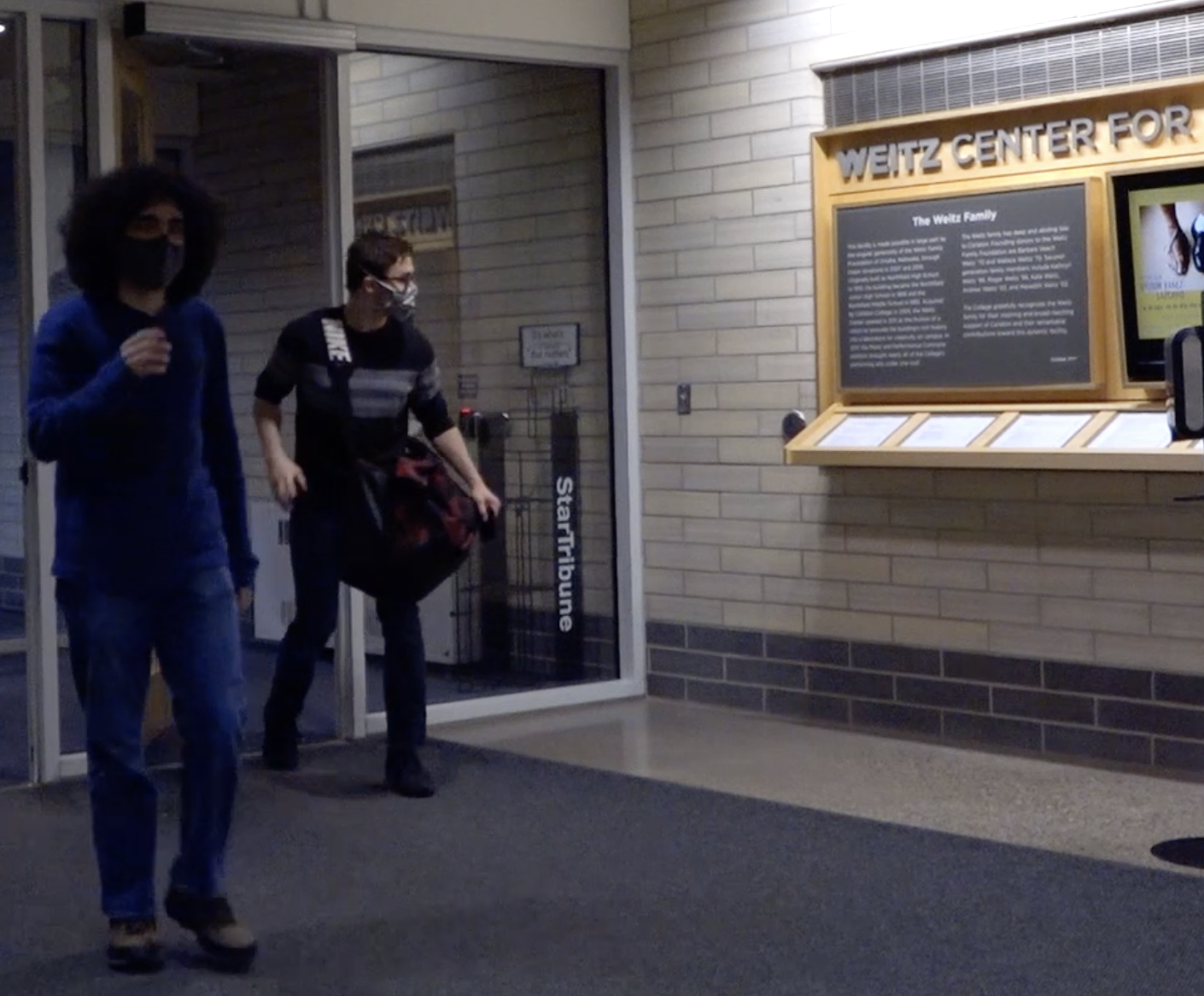
My final project for CAMS111, Digital Foundations. This film was written, directed, filmed and edited by me, with Sam Hiken and Thomas Monson playing the protagonists. It tells a humorous tale of a professor and student who venture into the depths of the Weitz Center for Creativity in hopes of saving lost hide-and-seek players, but end up lost themselves. *
For this project I experimented with telling a concise narrative, and while I much prefer longer-form storytelling, I enjoyed figuring out a story and punchline that would be amusing to the Carleton audience.
*If you are reading this and unfamiliar with Carleton, the Weitz is notoriously hard and confusing to navigate, and a popular spot for New Student Week hide-and-seek games because of this.
As a CS major and an artist, I have worked on several projects that involve creating graphically pleasing and understandable websites and images. This is a place where my knowledge as an artist is able to be applied to technical website building skills I have developed in CS.
These projects mostly involve web and app designs made with the goals of being user friendly while letting users fulfill a specific goal. I have also included one project that involved making professional versions of hand-drawn astronomy diagrams.
These projects include some art which was created in Photoshop CS6 with a Wacom Cintiq, and web and app design created using HTML/CSS, Python libraries, and Figma.
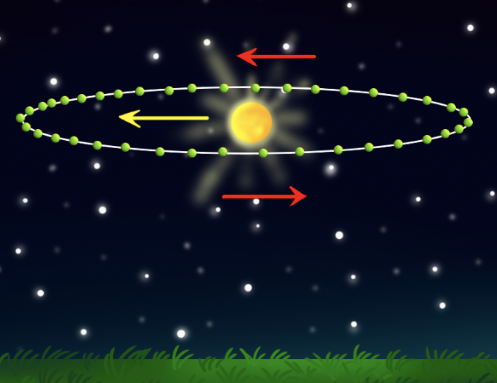
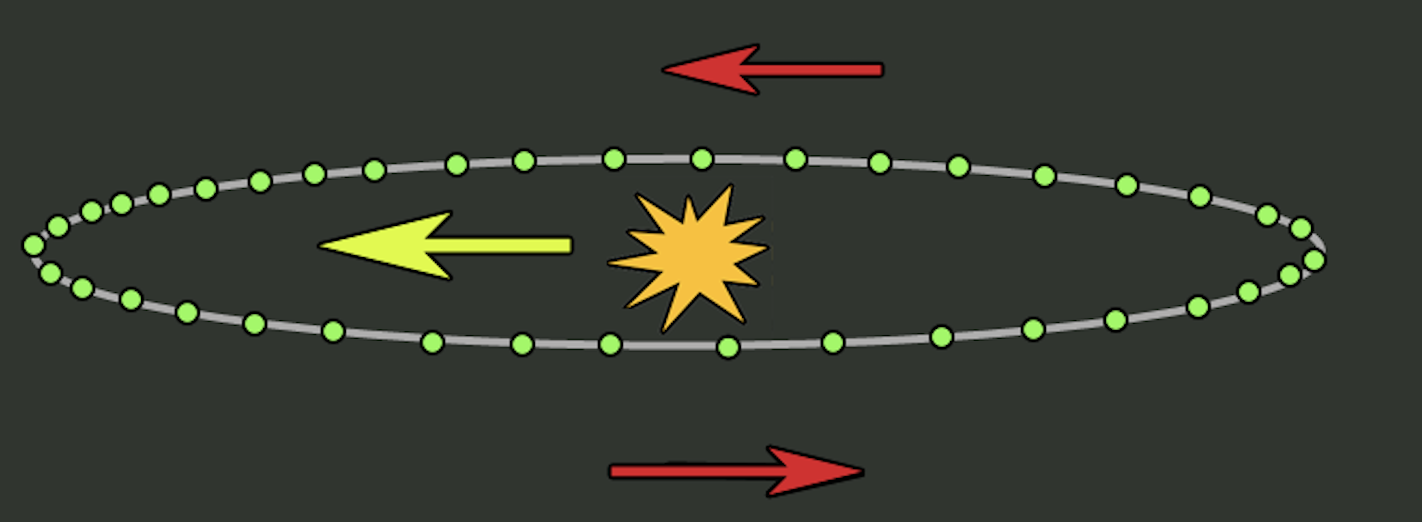
During the summer of 2020, I was commissioned to make some textbook illustrations for an astronomy textbook look more professional.
I got to draw a lot of planets and space backgrounds, and figure out a consistent style to render everything in.
For context, here is the original version of the image on the left:
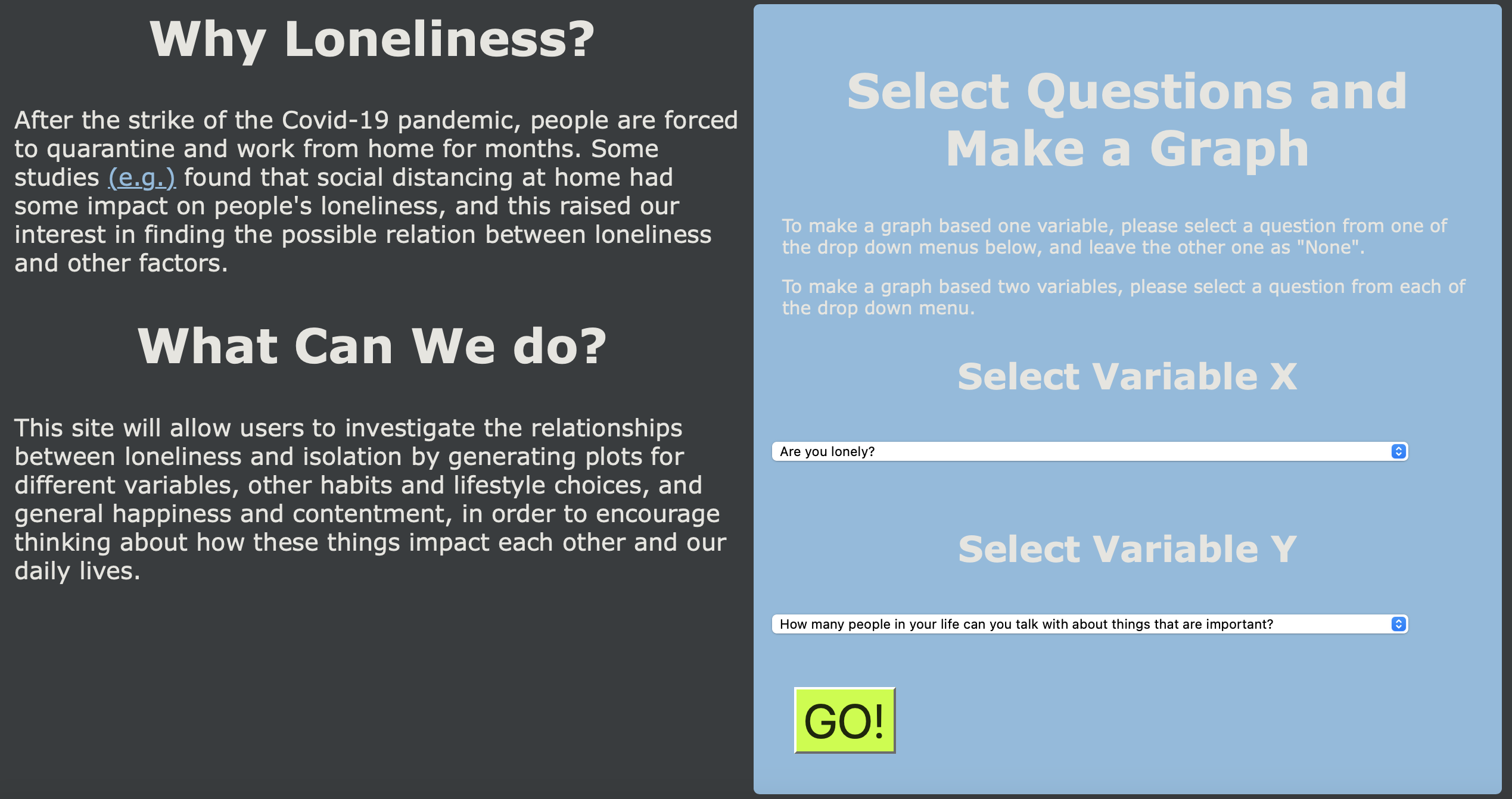
This project is very messy, since it involved a lot of hands-on learning of html and css that I am currently as I am writing this in an html file, benefiting from.
While the final product is far from perfect, the lessons I learned regarding working with a team, making accessible and helpful design choices and the technical skills in html and css I gained continue to be very useful.
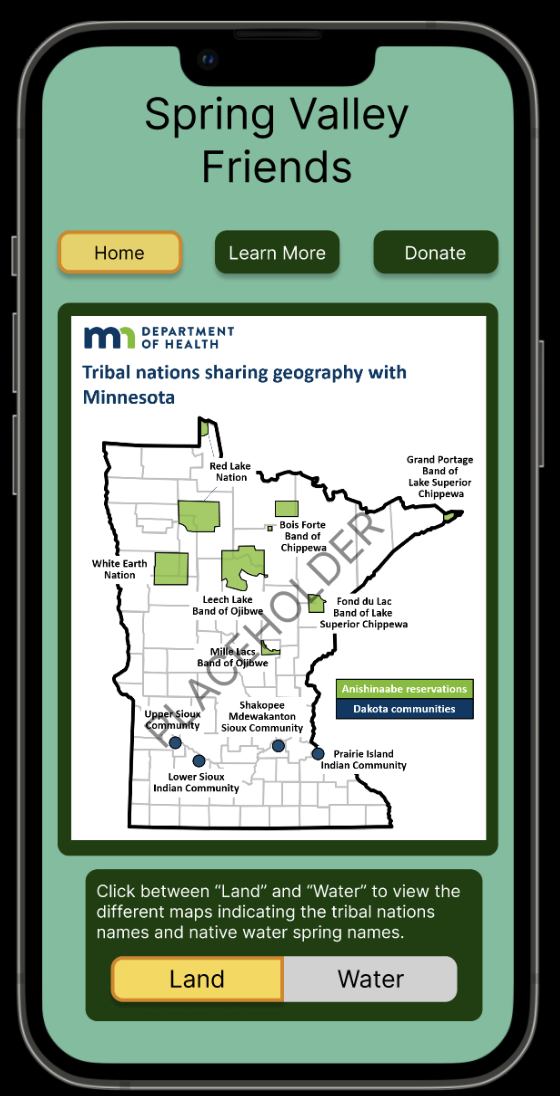
For this project, my group worked with Spring Valley Friends, an organization dedicated to the preservation of natural spaces, clean waters, and places of significance to Indigenous peoples.
This project is just a Figma prototype, and the development process focused on balancing the Spring Valley Friends specific desire for a calculator that users can use to get a recommendation for donation amounts to SVF and other Indigenous organizations based on land and water use and creating a design that is user-friendly and easy to understand.
View the project in PDF form here.
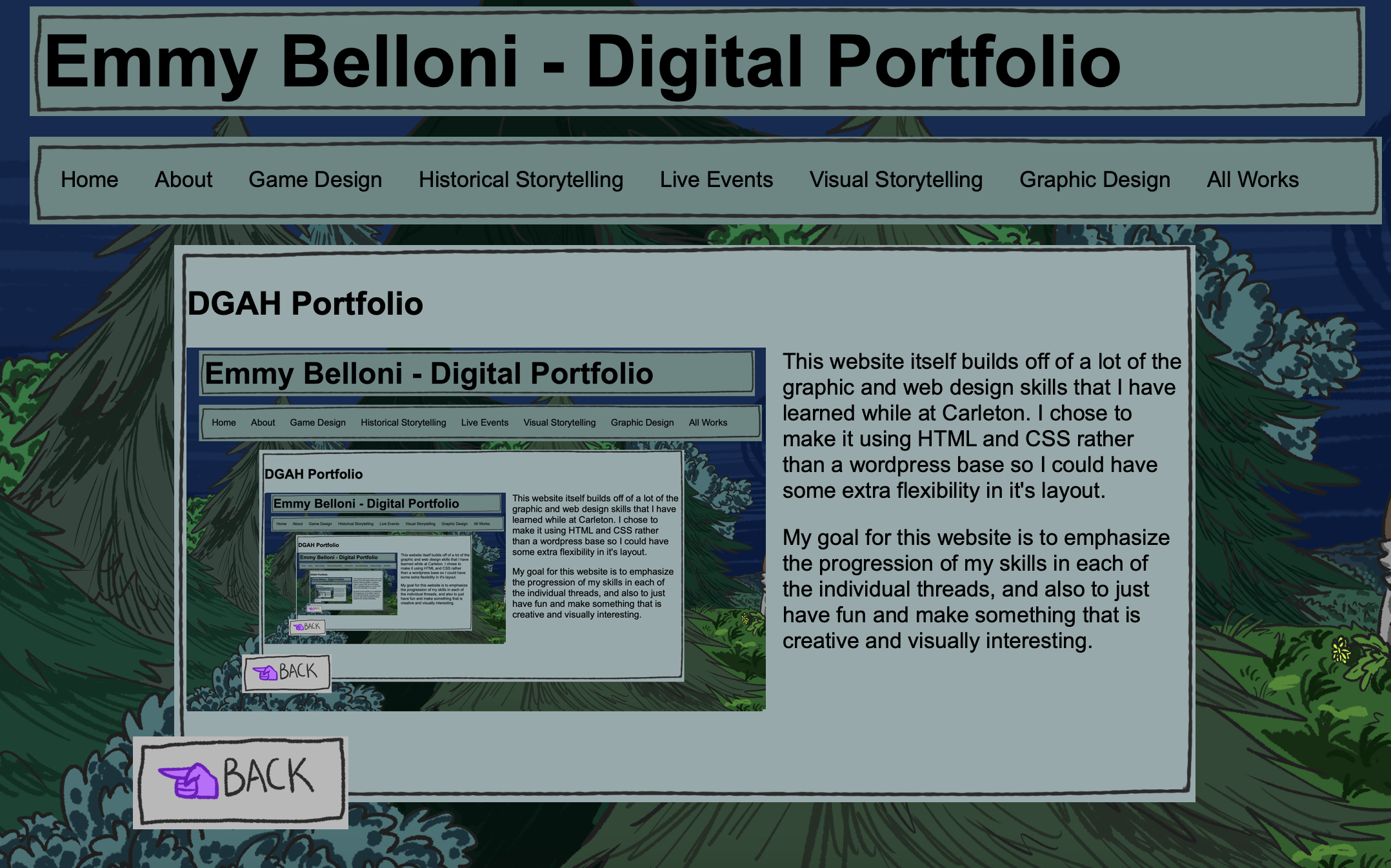
This website itself builds off of a lot of the graphic and web design skills that I have learned while at Carleton. I chose to make it using HTML and CSS rather than a wordpress base so I could have some extra flexibility in it's layout.
My goal for this website is to emphasize the progression of my skills in each of the individual threads, and also to just have fun and make something that is creative and visually interesting.
I have worked in tech theater for 6 years. At Carleton, my student work positions are in the theater Scene Shop and Kracum Performance Hall. I work mostly in sound design, which gives me lots of opportunities to use digital software in order to help create live experiences.
The projects that are selected for this portfolio are live events where I have worked with a specific digital tool in order to add something to the performance or share it with a broader audience.
For these projects, I worked with ProTools, OBS, and Qlab. I am also proficient in live audio mixing and video switching.
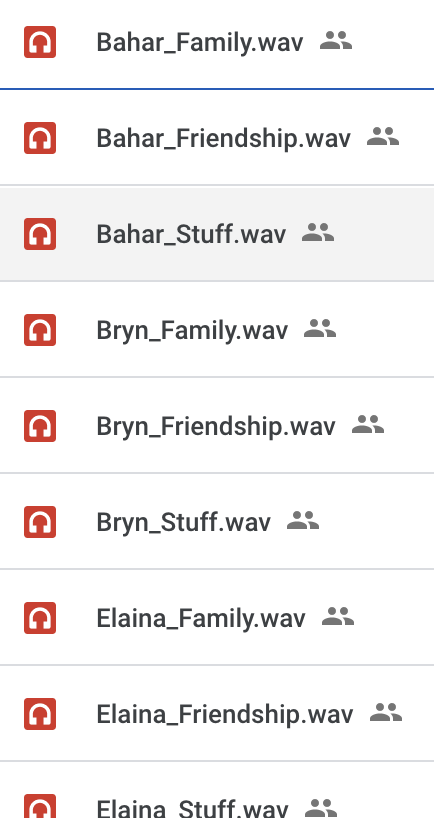
Everybody is an interesting play from a technical standpoint, because it involves several recorded monologues and a randomized cast, which meant that the three monologues needed to be recorded for all seven randomized cast members.
In addition to editing and recording these monologues, the randomization of the cast occured about 10 minutes into the show, so it involved setting up the proper monologues while the show was happening, which rarely happens in sound design.
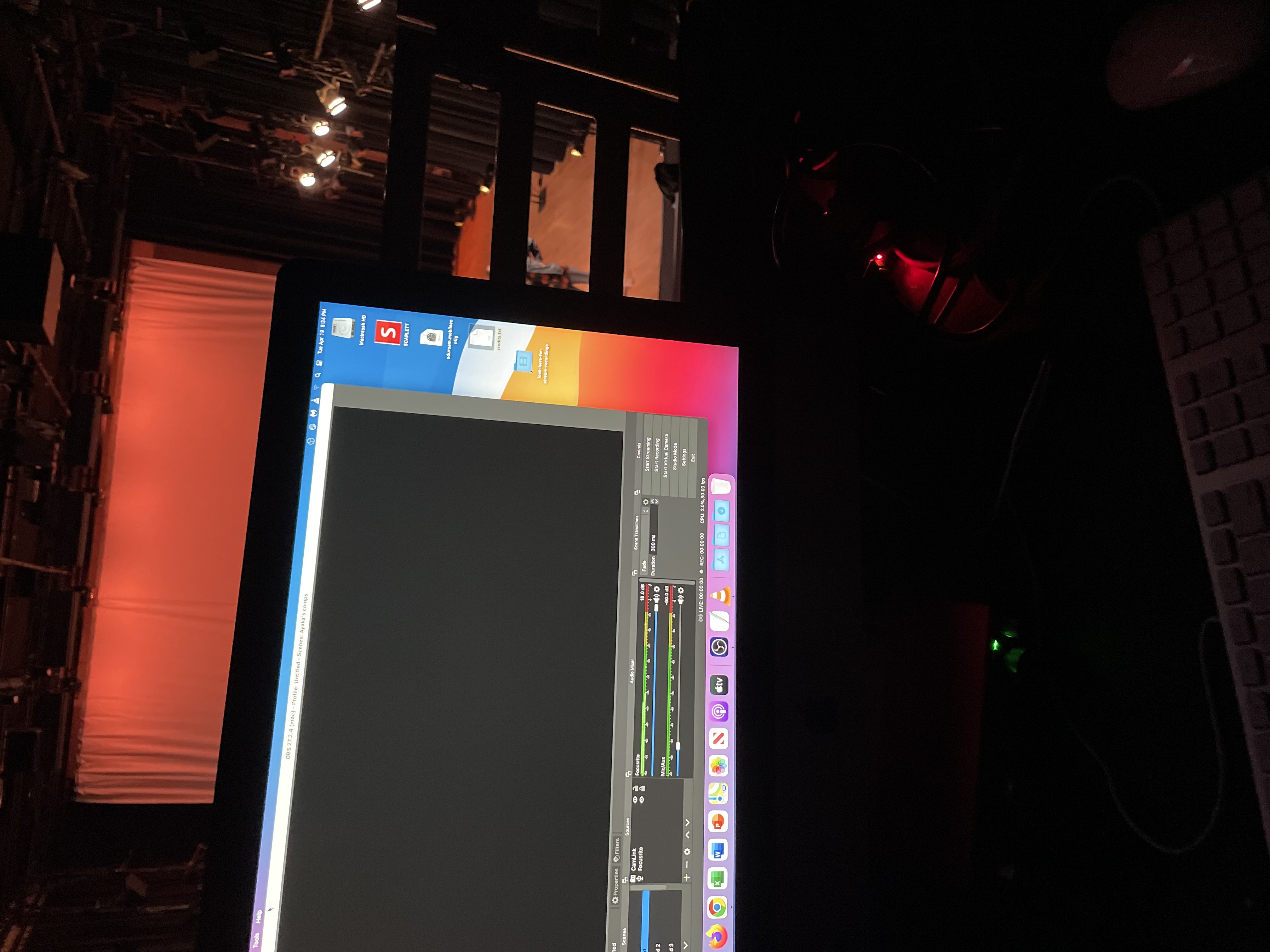
For this production, I was in charge of maintaining a livestream via OBS and Carleton's IBM account so that folks could watch Ayaka's comps without needing to attend in person.
This was a really cool project to be involved with because while I had used livestreaming stuff some prior, working with Paul Bernhardt to set everything up and keep it running taught me a lot about how the whole system worked behind the scenes.

For the last three years, I have been working as a technician in Kracum Performance Hall, helping set up microphones, live switch video for recording and streaming purposes, and mix sound at the board.
I love this job because of how many cool and interesting pieces of software we get to work with in order to make shows happen. I get to learn something new every time I go in to work.
I would also like to thank my supervisor, Matthew Zimmerman, for being an amazing person and helping me learn all these crazy and exciting things!

Dry Land is a bit less technically involved than Everybody as a production, but due to being a comps production with limited budget, my goal as sound designer for this show was to play with creating an audio space that transports the audience into the play's setting.
This process has involved me working with Qlab more thoroughly than I have in other productions, and has taught me a lot about what the software has to offer.